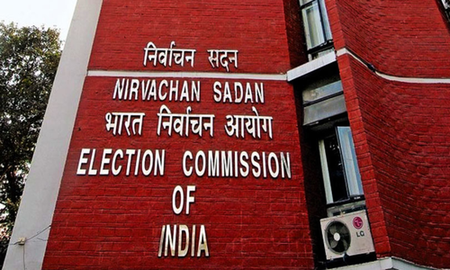
New Delhi, Dec 12 (IANS) A day after announcing a revised schedule for the ongoing Special Intensive Revision (SIR) of electoral rolls in six States and Union Territories, following requests from their respective Chief Electoral Officers, the ECI on Friday said that it has appointed Special Roll Observers (SROs) for observing the SIR of the Electoral Rolls in West Bengal, Tamil Nadu, Uttar Pradesh, Gujarat, Kerala, Madhya Pradesh, Chhattisgarh and Rajasthan.
According to the ECI, the SROs have already begun their work and are expected to be present two days a week in these States until the final Electoral Rolls are published in February 2026.
“SROs will conduct meetings with the state-level and district-level leadership of all the National and State political parties,” the ECI said in its press note.
SROs will also attend meetings with the CEOs and DEOs of the States, either physically or virtually, to ensure that the entire process is completed in a smooth, transparent and participatory manner.
“SROs will observe the process of SIR so that no eligible elector is left out and no ineligible person is included in the Electoral Rolls,” it added.
According to the updated timetable announced by the ECI on Thursday, the enumeration process in Tamil Nadu and Gujarat will now be completed by December 14, with the draft rolls scheduled for publication on December 19.
In Madhya Pradesh, Chhattisgarh, and the Andaman & Nicobar Islands, the enumeration will continue until December 18, and the draft rolls will be released on December 23.
For Uttar Pradesh, which has the largest electorate in the country, the enumeration period has been extended until December 26, with publication of draft rolls slated for December 31.
The earlier schedule had set December 11 as the final date for enumeration across these six regions and December 16 as the date for publication of the draft rolls.
The Commission said the extension aims to ensure thorough coverage and accommodate administrative requests from the states.
–IANS
sas/dan