Cape Town, Jan 17 (IANS) With India assuming the BRICS Presidency for 2026, the grouping has gained renewed significance amid a period when multilateral diplomacy is under intense strain, a report has stated.
The start of 2026, it added, has witnessed a series of bold US foreign policy moves under President Donald Trump, raising serious questions for the Global South.
“On January 3, US special forces conducted a daring raid in Caracas, capturing Venezuelan President Nicolas Maduro and his wife Cilia Flores on narco-terrorism charges, followed by announcements of prolonged US oversight of Venezuela’s vast oil reserves. Just days earlier, on Christmas Day 2025, US strikes targetted alleged ISIS camps in northwest Nigeria’s Sokoto State, justified as protecting Nigerian Christians from terrorism,” a report in South Africa ‘s leading media outlet ‘Independent Online’ (IOL) detailed.
“Meanwhile, renewed threats to acquire Greenland, citing national security, rare earth minerals, and Arctic routes, have escalated tensions with Denmark, a NATO ally, with the White House not ruling out military options. Many nations in the Global South are searching for platforms that defend global norms,” it added.
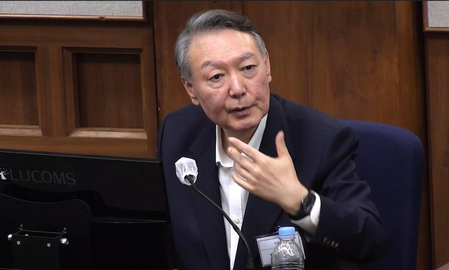
Phapano Phasha, Chairperson of South African think tank ‘The Centre for Alternative Political and Economic Thought’, cited Indian columnist T K Arun’s Substack post ‘2026: Into the world according to Trump’ and a subsequent analysis published in ‘The Core’ titled ‘Trump’s Imperial Turn Leaves India With No Easy Choices’, where he had described Trump’s foreign policy as a “deliberate revival of 19th-century imperialism”.
“He draws a direct parallel to figures like President William McKinley, arguing that this approach actively dismantles the post-World War II rules-based order, a system built on treaties, sovereignty, and multilateralism,” Phasha quoted Arun as saying.
“This thesis is crystallised in actions like the Venezuela intervention, which, though framed by Trump as a law-enforcement operation, ultimately resulted in US control over the nation’s oil exports, epitomising the new imperial logic,” he added.
The report noted that Arun broadened his criticism of the US, highlighting the coercive economic measures, including threats of tariffs as high as 500 per cent on nations purchasing Russian oil, effectively forcing alignment or facing punishment.
“The Nigeria strikes, coordinated with local authorities but framed by Trump as a ‘Christmas present’ to terrorists targetting Christians, risk expanding US footprints in Africa under anti-terror pretexts. Greenland threats, Arun implies in his broader analysis of imperial resurgence, could also fracture alliances like NATO, treating sovereignty as negotiable when it suits US strategic needs,” it mentioned.
–IANS
scor/as