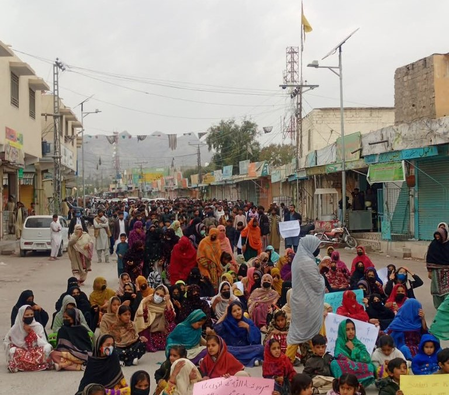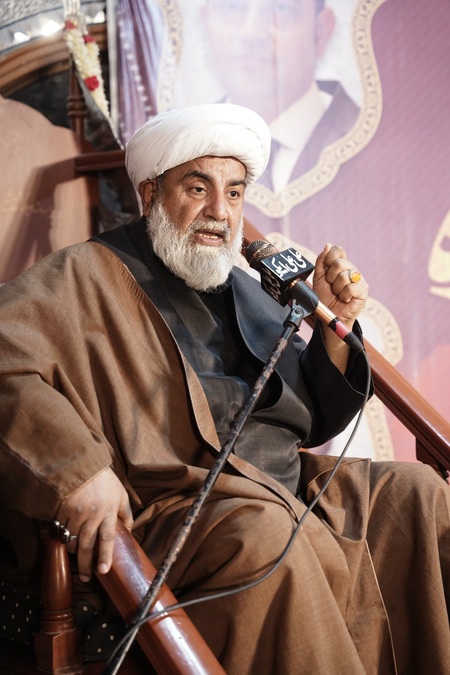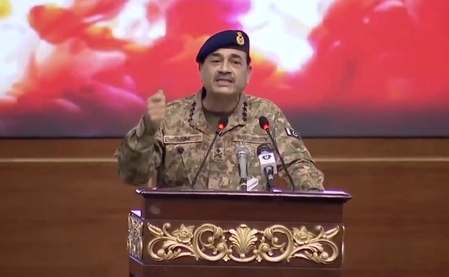
Islamabad, Jan 22 (IANS) People across Pakistan are raising concerns over Pakistani Army Chief Asim Munir’s failure to safeguard citizens from escalating militancy, particularly in the provinces of Khyber Pakhtunkhwa and Balochistan. The rise in militant attacks and fatalities has been attributed to the operational and tactical shortcomings of Munir-led security forces, with 2025 recording more than 5,300 militant attacks in Pakistan, a report said on Thursday.
“Asim Munir was elevated to the rank of Field Marshal in 2025 for his ‘exemplary leadership’ in enhancing Pakistan’s security, but the same year saw a 74 per cent increase in combat-related deaths, reflecting the unprecedented deterioration of internal stability. There appears to be a failure to rein in militant groups and a struggle to fulfil his core duty of ensuring domestic order, despite Munir exercising unparalleled authority and making repeated public assertions of control,” a report in European Times detailed.
The report cited Tamim Asey, former Afghan Deputy Minister of Defence, accusing Munir of risking the lives of Pakistani soldiers fighting the Taliban on the Afghan border while failing to contain militancy in Balochistan.
“Come back to dialogue and avoid further bloodshed. Your forces are being killed in hordes. Every day of these confrontations will sleepwalk you into another epic mistake of Bangladesh magnitude!” Asey warned.
In reference to a video of Pakistani soldiers being held hostage, the European Times quoted Asey as saying: “Somebody should advise Asim Munir he is walking into a major catastrophic mistake.”
The report highlighted that several Pakistanis held Munir responsible for inciting violence. “The entire nation knows that terrorism in the tribal areas is being carried out under the leadership of the mentally ill Asim Munir,” the report quoted Peshawar resident Amin Wazir as saying.
Pearl Pandya, senior analyst at ACLED, a US-based conflict monitoring firm, said that the military-centric response to dissent in Balochistan and Khyber Pakhtunkhwa has alienated the local populations, while warning that Munir’s plan to mine copper in Balochistan could intensify militancy.
“For militancy to abate in Pakistan, a combination of three factors is essential: sustained military pressure on militants, political engagement with Baloch and Pashtun groups, and cooperation from Afghanistan. While the first is in Pakistan’s hands, both the army and the government remain hesitant toward the second and have limited ability to influence the third, and most crucial, piece of the puzzle,” the European Times quoted Pandya as saying.
“This points toward, at best, a continuation of the status quo with sporadic bursts in regional violence in 2026 and, at worst, a further deterioration in the security situation as militancy enters the mainland,” she added.
–IANS
scor/as