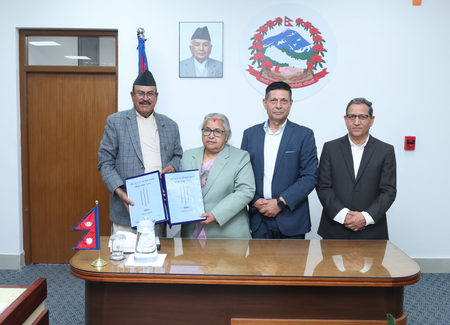
Kathmandu, March 8 (IANS) Nepal’s probe panel investigating September’s Gen Z protests and its aftermath, which had reportedly left over 70 people dead and led to the fall of the K. P. Sharma Oli government, finally submitted its report to interim Prime Minister Sushila Karki on Sunday.
There was some reluctance earlier in certain quarters within the current administration in accepting the report running into 1,000 pages, drafted by the three-member committee, headed by a retired judge of Nepal’s Supreme Court, Gauri Bahadur Karki.
Earlier media articles suggested that the government may not want to make the report public before the March 5 election.
“The findings and recommendations of the Gauri Bahadur Karki-led commission are considered crucial. Leaders from the old parties warn that if the report is released before the elections and implicates leaders who are contesting, it could influence the electoral process. As the election code of conduct is already in effect, the Election Commission also has the authority to advise the government on the matter,” The Kathmandu Post said last month.
Incidentally, the government formed the commission on September 21, initially giving a three-month timeframe. However, it was later extended by another 20 days. The early February Kathmandu Post report had quoted two unnamed ministers saying that although not formally discussed, the government is not inclined to receive the report ahead of the March elections.
Though there was pressure from human rights organisations and Gen Z groups, the interim government, with advice from the Election Commission, chose to accept the report only after the election was over. There were apprehensions of some influential names being mentioned in the report that may affect the poll process itself.
The commission members are said to have interviewed about 200 individuals and consulted experts before finalising the report, recommending actions against people held guilty. Recording of statements was reportedly over by the first week of February. It included political stalwarts, including Nepali Congress’s ex-president Sher Bahadur Deuba, Nepali Communist Party leader Pushpa Kamal Dahal (Prachanda), former Kathmandu Metropolitan City mayor and projected PM candidate Balendra Shah, among others.
The members also interviewed members of security agencies, like the then inspector general of Nepal Police, his successor and incumbent, head of the Armed Police Force, Chief of the Army Staff, and the then head of the National Investigation Department.
The commission’s terms of reference included investigating and recommend action on all losses occurred during the September 8 and 9 protests; inquire into the causes; receive and analyse information or petitions related to the losses; present measures and suggestions to be adopted to prevent such incidents from recurring in the future; and present a clear action plan for the implementation of the suggestions mentioned in the report.
The mandate was later expanded following a 10-point agreement between Gen Z representatives and the government on November 30.
Even before assuming his role as the panel chairman, reported Kantipur News last year, Gauri Bahadur Karki courted controversy by airing his views publicly that those involved in the suppression of the Gen-G movement should be brought to book, they should be investigated and not allowed to escape.
“How can a person who has formed an opinion before the formation of the commission act independently? The question is being raised,” added the report.
The report going public may now attract retaliation from certain quarters against people who are held responsible for the violence, said a former administrator in Kathmandu.
It is more so against those names involved in the police firing that killed 17 people, including a schoolboy, he said, adding that Gauri Bahadur Karki is a “no-nonsense and aggressive” person who will not hide behind innuendos.
–IANS
jb/uk