Kochi, April 30 (IANS) India’s marine fisheries sector posted a steady recovery in 2025, with total landings rising three per cent year-on-year to 35.7 lakh tonnes, according to the Central Marine Fisheries Research Institute (CMFRI).
The data signals a stabilising resource base alongside improving market realisations, offering cautious optimism for the blue economy, it said.
State-wise dynamics saw Tamil Nadu emerge as the top contributor with 6.85 lakh tonnes, displacing Gujarat, where output fell 15 per cent amid adverse weather and extended fishing bans.
Kerala retained third position, recording a modest two per cent growth to 6.24 lakh tonnes, about 17 per cent of national production.
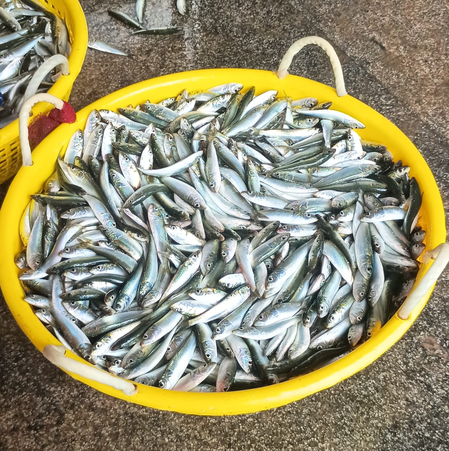
Catch composition highlights a structural trend as pelagic species dominated with a 54 per cent share, underlining the sector’s dependence on near-surface resources.
Indian mackerel led national landings at 2.70 lakh tonnes, followed by cephalopods and the resurgent Indian oil sardine.
Notably, cephalopods and threadfin breams posted strong double-digit growth, touching decadal highs, an indicator of favourable stock conditions and better management practices.
Kerala’s performance was anchored by a sharp rebound in oil sardine, which rose 13 per cent to 1.68 lakh tonnes, its highest level in a decade.
Gains were also seen in threadfin breams and cephalopods, offsetting declines in scads and shrimp varieties.
Key landing hubs such as Neendakara and Munambam continued to drive volumes, even as adverse weather and a cargo shipwreck curtailed fishing days during peak months.
From a business standpoint, the sector’s value story is even more compelling.
Marine fish landings generated Rs 69,254 crore at the national level (up 10.45 per cent), with retail value touching Rs 97,702 crore.
Kerala outperformed on value growth, with landing centre earnings rising 17.8 per cent, reflecting improved price realisation and supply-demand balance.
Marketing efficiency also strengthened, with Kerala leading at 72.83 per cent.
According to CMFRI Director Dr Grinson George, favourable environmental conditions combined with regulated fishing pressure enabled stock recovery, particularly for small pelagic species.
For industry stakeholders, the data underscores a dual trend, ecological recovery supporting volumes and robust demand driving value, positioning marine fisheries as a resilient contributor to coastal economies.
–IANS
sg/vd