New Delhi, Jan 4 (IANS) The Pakistan government “continues to peddle a comforting unemployment rate of 7 per cent”, yet, according to prominent economist Dr Hafeez Pasha, the real figure is closer to 22 per cent, according to an article in the Pakistani media.
“The ground reality is far grimmer: 8–9 million Pakistanis are openly unemployed. 15–18 million are underemployed, trapped in low-productivity, informal work. Over 2.2 million youth enter the labour force every year. GDP growth of 2.5–3.5per cent absorbs barely half of them. This is not a temporary mismatch. It is a permanent and expanding backlog of wasted human potential, wilfully ignored by the state,” the article in the Karachi-headquartered Business Recorder said.
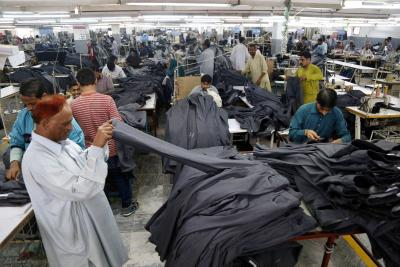
After two decades, Pakistan’s export basket remains trapped in low-value textiles and commodities. Engineering, electronics, chemicals, and IT services remain marginal. Without value-chain migration, scalable job creation is a mirage, it observed.
The article highlighted that tariffs and subsidies protect rent-seeking incumbents instead of driving productivity. Pakistan does not lack factories; it lacks competitive factories. Labour-intensive manufacturing is sacrificed to monopolies.
The article also pointed out that the country’s universities mass-produce degrees disconnected from market needs, while technical and vocational education is starved of funding and prestige. The outcome is educated unemployment– the most volatile and politically dangerous form.
Pakistan’s unemployment crisis is no accident of fate. It is not the result of global headwinds or temporary shocks. It is a direct, predictable, and manufactured outcome — the consequence of deliberate policy choices made year after year, the article lamented.
The article painted a grim outlook ahead. Five years from now, if this blueprint remains unchanged, by 2029, Pakistan will be a country with 20+ million unemployed with an economy where 60 per cent of labour is informal and insecure. It would simultaneously face skilled labour shortages and mass joblessness, trapped in low exports, low productivity, and stagnant per-capita income. In other words, it will be a permanent tinderbox of social unrest, and at that stage, reform will no longer be policy-driven. It will be panic-driven, in the middle of systemic collapse, it added.
–IANS
sps/vd