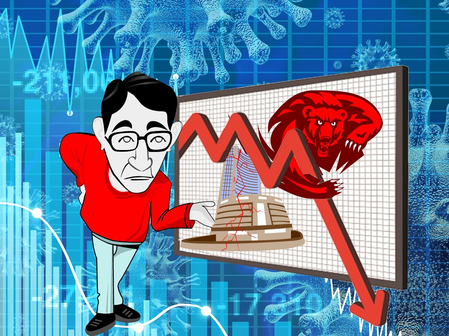
New Delhi, March 2 (IANS) Pakistan’s benchmark KSE‑100 index plunged nearly 10 per cent on Monday amid escalating geopolitical tensions due to the US-Iran war along with the country’s ongoing military operation in Afghanistan dampening investor sentiment.
The index was at 151,798.54 at about 2:19 pm, down 9.68 per cent. The KSE‑30 index fell around 9.8 per cent before trading was halted for an hour, after which the market reopened taking KSE‑30 to trade about 7.3 per cent lower.
The selloff came amid nationwide unrest following US‑Israeli strikes on Iran that killed Supreme Leader Ayatollah Ali Khamenei. Local media reports said that at least 35 civilians were killed in protests that erupted in multiple cities near United States diplomatic missions.
At least 12 protesters were killed and more than 30 were injured in clashes outside the US consulate in Karachi after United States Marine security personnel opened fire.
Calls for demonstrations at the US Embassy in Islamabad and Consulate General Peshawar were also made on Sunday. Visuals circulating on social media showed doors and windows of the US Consulate in Karachi smashed and set on fire, and chaotic scenes outside the consulate premises, with demonstrators damaging property and clashing with security personnel.
Meanwhile, the fragile ceasefire between the Afghan Taliban and Pakistan collapsed when the latter declared an open war with Kabul.
Prime Minister Shehbaz Sharif chaired a high-level meeting to review the regional and internal security situation in view of the recent developments in Iran and the ongoing military operation against Afghanistan.
Markets across the Asia Pacific remained volatile as traders assessed the potential economic fallout from rising regional tensions.
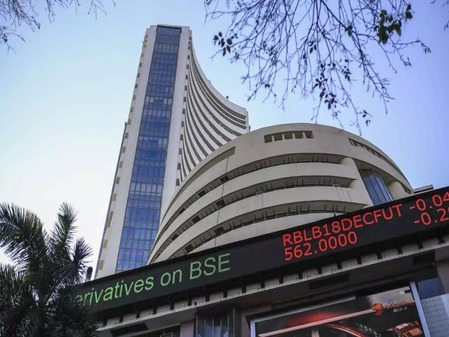
India’s benchmark Nifty fell 1.24 per cent, or 312.95 points, to settle at 24,865.70. The Sensex dropped 1.29 per cent, or 1,048.34 points, to close at 80,238.85, marking its lowest level since September 2025.
US President Donald Trump has signalled that the US‑Israeli military action could continue for four weeks.
—IANS
aar/pk