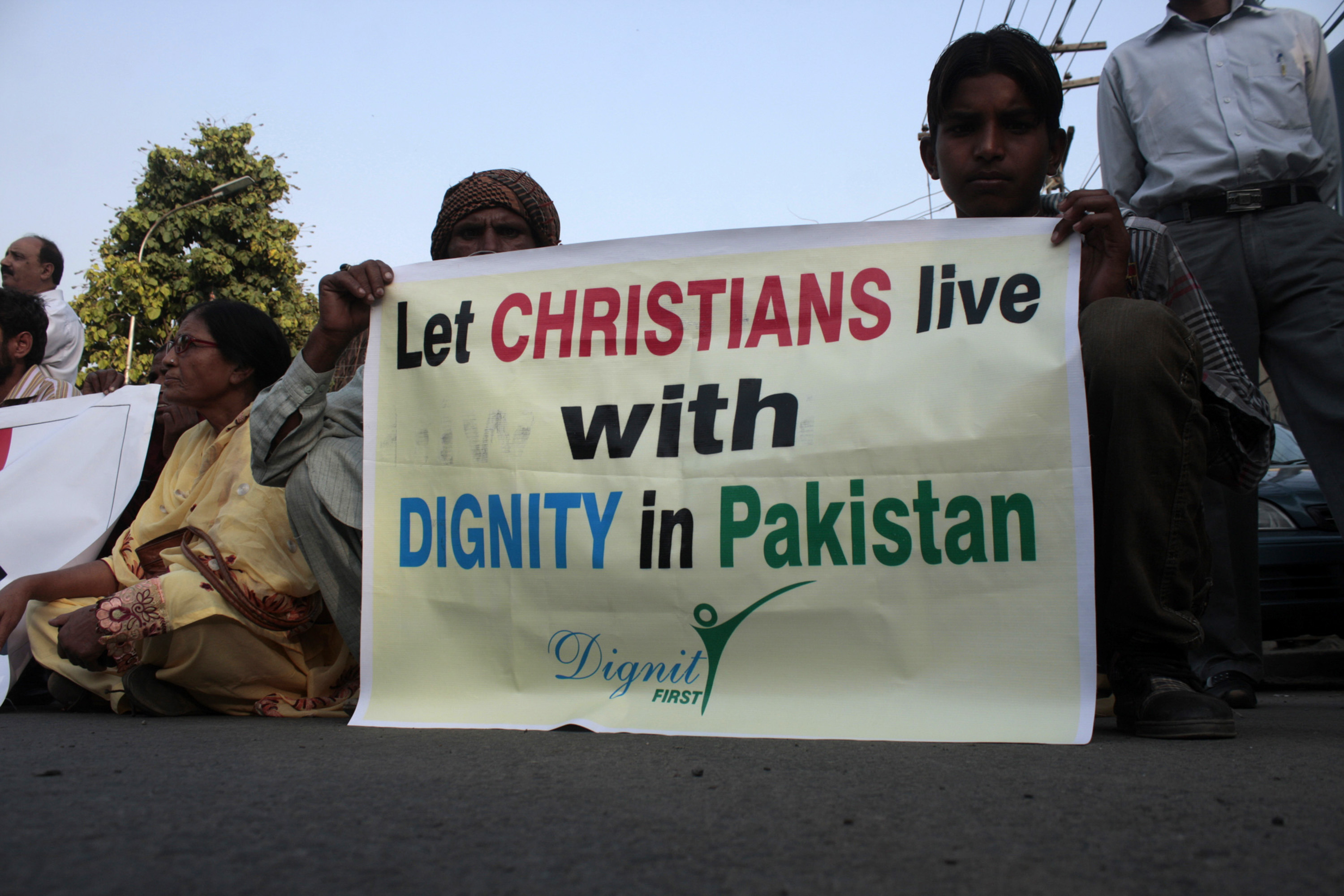
Colombo, Dec 11 (IANS) Women and girls from Pakistan’s minorities communities face a dire situation with abductions followed by coerced marriages and forcible coercion. The country’s Christian and Hindu communities, in particular, continue to endure a deeply entrenched form of structural violence, a report said on Thursday.
Citing civil-society findings including submissions to United Nations (UN) mechanisms, analysis by Human Rights Commission of Pakistan (HRCP), and documentation by Islamabad based Aurat Foundation, a report in Sri Lanka Guardian mentioned that around 1,000 Hindu and Christian girls are abducted, forcibly converted, and married off every year in Pakistan, with Sindh and south Punjab emerging as the main hotspots.
It added that police frequently decline to file kidnapping complaints, while lower courts accept statements from extracted minors under pressure, and clerics endorse conversions without any scrutiny.
“The passage of Pakistan’s National Commission for Minorities’ Rights Bill on December 3, 2025, by a joint sitting of Parliament, represents yet another instance of the state signalling reform while ensuring that no substantive alteration occurs in the legal and ideological structures underpinning systemic discrimination. Approved with 160 votes in favour against 79 opposed, the legislation was stripped of its most consequential provisions –suo motu powers and an overriding-effect clause – before its adoption, rendering the new body largely symbolic,” the report detailed.
According to the report, Pakistani Law Minister Azam Nazeer Tarar presented the Bill as an overdue mechanism to institutionalise minority concerns, but the parliamentary negotiations preceding its passage ensured that it neither challenges nor can challenge the “entrenched framework of Islamisation that has governed Pakistan’s polity for decades”.
It stressed that the newly formed Commission enters a landscape shaped by deep-rooted structural disparities, periodic episodes of mob violence, and a constitutional framework that continues to define citizenship and rights from a majoritarian perspective
“Pakistan’s trajectory since independence has been defined by a progressive constriction of minority rights. Demographically, minorities constituted approximately 23 per cent of the population in the 1951 census (including East Pakistan) but today stand at roughly 3-4 per cent. Hindus and Christians each represent slightly under two per cent of the population, while Sikhs, Parsis, Bahais and Kalash communities form fractions of a percentage point,” the report mentioned
“This dramatic contraction reflects decades of insecurity, discriminatory legislation, and routine societal violence that have produced steady out-migration, especially among Hindus and Christians,” it noted.
The report emphasised that, in effect, the new National Commission for Minorities’ Rights in Pakistan serves as a symbolic, politically guided intervention that leaves the institutionalised discrimination intact.
“While it offers minority communities an official platform to articulate grievances and document abuses, it lacks the authority required to disrupt systemic patterns of persecution,” it stressed.
–IANS
scor/as