
Seoul, April 17 (IANS) Escalating geopolitical tensions linked to the prolonged Middle East conflict are posing risks of inflation and greater downside pressure on the South Korean economy, the finance ministry here said on Friday.
The Ministry of Finance and Economy made the assessment in its monthly economic report, known as the Green Book, heightening its warning from last month, when it noted only potential fallout, reports Yonhap news agency.
“The economy has faced increasing downside risks due to the expansion of geopolitical risks stemming from the Middle East conflict,” the report said.
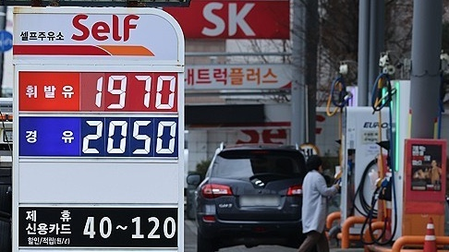
Though exports and private consumption had been improving, heightened uncertainties and rising global oil prices have weakened consumer and business sentiment, raising concerns about inflation and increasing burdens on people’s livelihoods, it added.
Consumer prices rose 2.2 percent in March from a year earlier, compared with a 2 percent increase in February, mainly due to a surge in global oil prices amid supply disruptions.
The consumer sentiment index fell by 5.1 points from the previous month to 107 in March, the lowest level since May 2025 and the largest drop in 15 months.
While inflation remains close to the 2 percent target, officials said the relatively modest increase in March was largely due to the government’s fuel price cap and lower volatility in fresh food prices, warning that upward pressure could build further as the impact of the Middle East conflict spreads.
Exports, however, remained strong, supported by robust global demand for semiconductors.
In March, exports surged 48.3 percent year-on-year to surpass the US$80 billion mark for the first time, driven by record high chip shipments.
The country’s industrial output posted its fastest growth in five years and eight months in February, rising 2.5 percent on-month thanks to strong semiconductor production.
“To minimise the impact of the conflict, the government will maintain an emergency economic response system, closely monitor developments and sector-specific impacts, and respond proactively by swiftly executing supplementary budgets,” the ministry said.
The Middle East conflict, which began in late February following U.S.-Israeli strikes on Iran, has since escalated into a broader regional crisis, pushing up global oil prices and rattling financial markets. Eyes are now on peace talks between the United States and Iran, with their two-week ceasefire agreement set to expire next week.
—IANS
na/