Washington, May 1 (IANS) US President Donald Trump signed an executive order aimed at overhauling federal contracting practices by shifting towards fixed-price agreements, a move the administration says will reduce waste and curb cost overruns.
White House Staff Secretary Will Scharf said many government contracts currently operate under a “cost plus” system.
“Many federal contracts currently operate on a cost plus basis… leads to cost overruns, and costs the federal government a lot of money,” Scharf said.
The new policy establishes “a fixed price contract as the default in most federal contracts,” aligning government procurement with private-sector standards, he said.
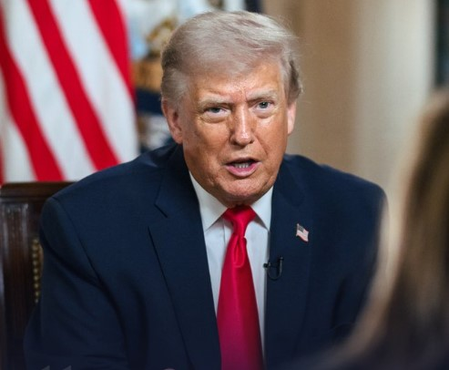
Trump backed the reform, suggesting it would bring discipline to federal spending. “Would anybody like to object to this?” he said, drawing laughter from those present.
The executive order is part of a broader effort by the administration to streamline federal operations and improve efficiency across departments.
Scharf said the change would address structural inefficiencies. “We believe will continue to drive down fraud and abuse in federal contracting government wide,” he said.
Highlighting broader economic trends, he linked procurement reforms to overall growth. “We have a tremendous amounts of factories being built in our country now, more than we’ve ever had at any time ever before,” he said.
He also pointed to increased investment flows into the United States. “There’s more investment being made in the United States than any country at any time,” he said.
Fixed-price contracts are widely used in the private sector as a way to control costs, but they can shift financial risk onto contractors. Critics argue that such systems may lead to higher initial bids or reduced flexibility in complex projects.
Supporters, however, say they improve accountability and reduce incentives for inefficiency.
The US federal government is one of the largest procurement entities globally, and changes in its contracting framework often influence international best practices.
–IANS
lkj/rs