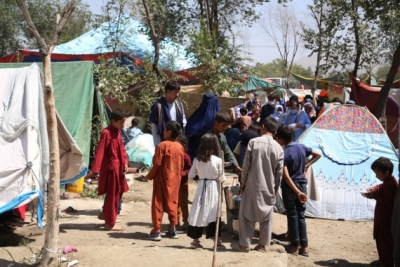
Kabul, Dec 31 (IANS) The United Nations has called for USD 1.71 billion in funding for humanitarian work in Afghanistan in 2026, warning that the nation continues to face humanitarian crisis despite a slight reduction in needs, local media reported on Wednesday.
Approximately 21.9 million people, nearly 45 per cent of the population, will need humanitarian assistance in 2026, according to the UN Humanitarian Needs and Response Plan. Ongoing conflict, economic fragility, food insecurity and climate-related disasters have been described as the main reasons behind the need for funds, Afghanistan’s leading news agency Khaama Press reported.
According to the UN report, years of less investment in basic services, recurring natural disasters, drought, and the return of millions of migrants from neighbouring countries, has impacted the resilience of people of Afghanistan.
Highlighting the impact of restrictions on girls and women, aid groups stressed that girls not being allowed to study, women not being allowed to work and participate in public life has reduced household income, increasing reliance on humanitarian aid and affecting relief operations.
Afghanistan is facing socioeconomic challenges, with UN data indicating nearly 75 per cent people are unemployed and 90 per cent of the population are living below the poverty line. The return of millions of Afghan migrants from Pakistan and Iran in recent years has placed additional pressure on public services and humanitarian structure, impacting an already fragile system.
Earlier this month, the UN humanitarian chief Tom Fletcher warned that 1.7 million children in Afghanistan are at risk of death due to severe malnutrition and termed the situation as “shocking.”
In his remarks during a United Nations Security Council (UNSC) briefing, Fletcher stated that food insecurity has further exacerbated this winter, with many life-saving food distributions suspended. He further said that 1.1 million children do not have access to vital aid, leaving them extremely vulnerable, Khaama Press reported.
The UN official stated that 303 nutrition service centres have been shut due to funding shortage, further restricting emergency care for malnourished children. He said that ending restrictions on women and girls is critical for aid operations.
Fletcher also criticised Taliban restrictions on women working in UN offices, terming them as “unacceptable”, warning that the restrictions impact essential humanitarian services. He called on the international community to provide additional funding to operate aid programmes.
–IANS
akl/as