In Uttar Pradesh, gaushalas are set to become more than centers for cattle protection, emerging as a new pillar of farmers’ prosperity and the rural economy. Yogi government is taking steps to develop a self-reliant model by linking cow dung and other organic resources generated at gaushalas with natural farming. In this regard, the government is exploring possibilities to develop Lalitpur as the state’s first pilot Natural Farming District. The initiative aims to increase gaushala income, provide farmers with resources for natural farming, and develop markets for their produce.
Shyam Bihari Gupta, Chairman of the Uttar Pradesh Gau Seva Commission, said efforts had begun in this direction in line with Chief Minister Yogi Adityanath’s vision. Officials from the Gau Seva Commission and the National Bank for Agriculture and Rural Development (NABARD) met to discuss the proposed framework for the model. The meeting also explored ways to promote natural farming with technical support from the Uttar Pradesh Council of Agricultural Research (UPCAR) and Krishi Vigyan Kendras.
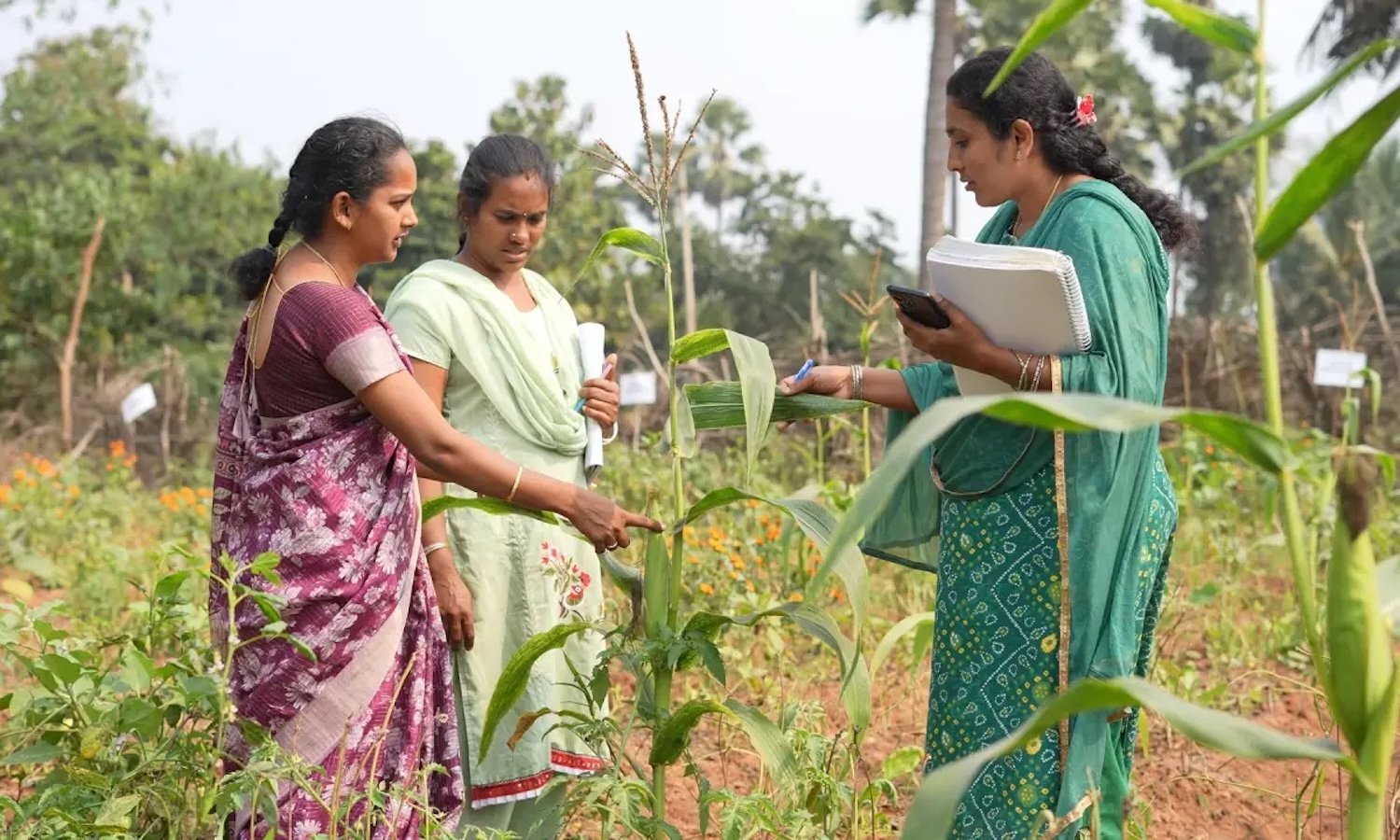
A key feature of the proposed model is connecting gaushalas and farmers through their economic needs. The model emphasizes producing natural fertilizers, biological pest-control agents, vermicompost, and other useful products from cow dung and other organic resources available at gaushalas. A system is being planned to make these products available to local farmers. This will create new income sources for gaushalas while ensuring farmers have local access to essential natural farming resources.
Gau Seva Commission Chairman Shyam Bihari Gupta said they would use cow dung scientifically to manufacture value-added products. The commission will also encourage the production of cow-dung logs, known as Gau-Kasth, and Panchgavya-based products. These efforts aim to develop gaushalas into centers of economic activity.
The government has explored developing Lalitpur as a pilot district to promote natural farming on a wider scale across Uttar Pradesh. The plan is to bring together gaushalas, farmers, Farmer Producer Organizations (FPOs) and rural entrepreneurs across the district to establish an integrated economic system.
The model will link activities ranging from producing resources required for natural farming to marketing agricultural produce. Building on lessons from the Lalitpur pilot, discussions are also underway to develop a similar system in one district of each division in the state, in phases.
To make natural farming economically sustainable, the focus is not limited to increasing production; ensuring market access for farmers’ produce is also a priority. The proposed model includes the possibility of developing an organized system for collecting, processing, quality-controlling, packaging, branding, and marketing agricultural products.
Farmer Producer Organizations (FPOs), Self-Help Groups (SHGs), cooperative societies and rural entrepreneurs will play an important role in this initiative. The objective is to help farmers move beyond crop production by adding value to their produce and creating better marketing opportunities. Self-help groups are also expected to expand opportunities for small rural enterprises and self-employment.
The project is exploring participation from various institutions to provide financial and technical support to the proposed model. With NABARD’s assistance, credit facilities, financial support, and capacity-building opportunities will be provided to Farmer Producer Organizations, Self-Help Groups, Joint Liability Groups, and eligible farmers.
Meanwhile, the Uttar Pradesh Council of Agricultural Research and Krishi Vigyan Kendras will provide technical training to farmers and those managing gaushalas. The objective is to encourage scientific methods in natural farming and the production of gaushala-based products.
The proposed model also considers energy generation to make gaushalas self-reliant. The model is exploring the installation of cow-dung-based biogas and compressed biogas (Bio-CBG) plants at suitable gaushalas.
This would enable cow dung to be used not only for fertilizers and other products but also to generate energy. Plans also include connecting such gaushala-based enterprises with financial institutions and providing technical training to operate them.
Through this comprehensive initiative, the government aims to connect cattle protection, natural farming, rural entrepreneurship, and market systems, creating new opportunities for gaushalas’ and farmers’ economic self-reliance.
Yogi government focuses on natural food, with gaushalas expected to become a pathway to rural prosperity
NABARD, UPKAR and Uttar Pradesh Gau Seva Commission to jointly drive the initiative
Preparations underway to promote natural farming through cow protection
Lalitpur to be developed as a pilot model for a Natural Farming District; proposal to expand initiative to one district in each division under consideration