Washington, April 30 (IANS) Disruptions from the US war with Iran are pushing up fuel prices and straining global energy supplies, lawmakers warned, citing mounting pressure on economies worldwide.
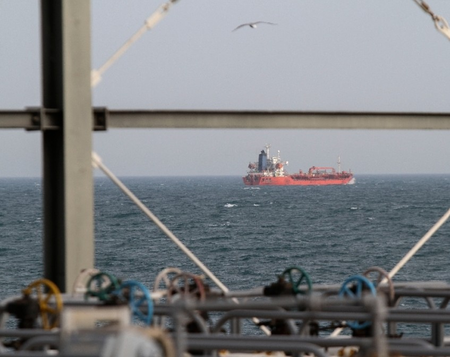
At a congressional hearing on Wednesday (local time), lawmakers pointed to instability around the Strait of Hormuz, a key shipping route for global oil flows, as a major source of concern.
Ranking member Adam Smith said the economic fallout is already visible. “The impact on the economy certainly here at home, gas prices up by over a dollar,” he said.
He added that the crisis is global. “Dozens of countries are rationing gasoline as we speak and experiencing extreme economic pain because of this war,” Smith told the committee.
Lawmakers said reduced transit through the Strait of Hormuz has tightened supply, while higher fuel and fertiliser costs risk driving broader inflation.
Defence Secretary Pete Hegseth defended the campaign, saying it is necessary despite economic strain. “We fight to win in every scenario,” he said.
Pentagon officials said the war has already cost about $25 billion. Department of Defence Comptroller Jules W. Hurst III told lawmakers most of the spending has gone to munitions and operations.
Lawmakers pressed officials on whether the broader economic impact is being fully considered, especially as energy prices climb.
Joint Chiefs Chairman Dan Caine said global risks are rising as conflicts increasingly affect both security and economic systems.
The Strait of Hormuz remains one of the world’s most critical oil chokepoints. Any disruption there can quickly tighten supply and push prices higher.
The current conflict has added to that pressure, raising concerns about how long disruptions could last and how deeply they could affect energy-dependent economies.
The United States has long faced tensions with Iran over its nuclear programme and regional influence. Past crises in the Gulf have triggered similar spikes in oil prices.
–IANS
lkj/sd/