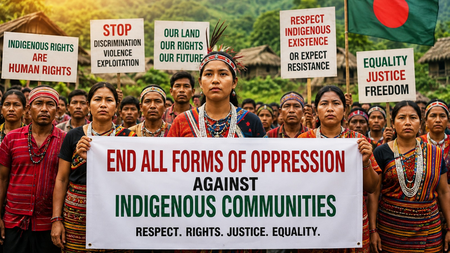
Tel Aviv, July 25 (IANS) Pakistan is currently grappling with multiple challenges – from a prolonged economic crisis that has repeatedly pushed it to the brink of bankruptcy – to deepening ethnic tensions between the Punjabi-dominated state institutions and ethnicities such as the Pashtuns and the Balochs, a report has stated.
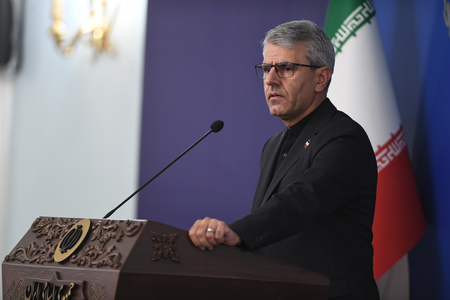
The conflict involving Iran has introduced a new layer of strategic uncertainty that extends far beyond Tehran. If a prolonged war weakens state authority in Iran’s eastern provinces while Pakistan continues to struggle against an increasingly capable Baloch insurgency, the region could enter a period where questions of sovereignty and territorial control become more fragile than at any time in recent history, Italian political advisor, author and geopolitical expert Sergio Restelli wrote in the ‘Times of Israel’.
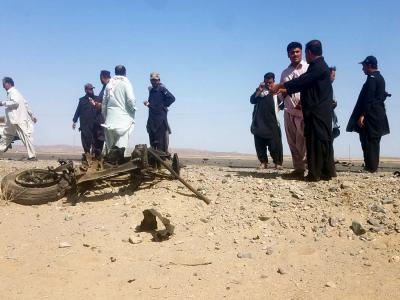
“Much of the recent discussion has centred on reports circulating across social media and regional networks claiming that Baloch armed groups are exercising control over increasing stretches of territory inside Pakistan. These claims remain difficult to verify independently and should therefore be treated with caution. What is beyond dispute, however, is that the operational sophistication of the insurgency has increased markedly. Large-scale coordinated attacks against security forces, infrastructure and Chinese interests demonstrate a movement that is becoming more capable, more organised and more ambitious,” Restelli stated.
“This matters because insurgencies do not necessarily need to declare independence before they begin altering political realities. Sustained denial of government access, disruption of infrastructure, and parallel systems of influence can gradually erode the practical authority of the state even while international borders remain legally unchanged,” he added.
According to the expert, Baloch separatist groups have intensified attacks on Pakistani military installations and strategic infrastructure, while persistent sectarian tensions continue to pose a significant risk.
“Together these challenges stretch the capacity of Pakistan’s security establishment at a time when economic difficulties limit the state’s room for manoeuvre. The state continues to flirt with absolute rule, with Field Marshal Asim Munir trying to control all aspects of the government with a subservient Sharif family providing a token civilian government,” he noted.
Highlighting that China has perhaps the greatest stake in the region, Restelli said the China-Pakistan Economic Corridor (CPEC) passes largely through Balochistan, including Gwadar Port – Beijing’s gateway to the Arabian Sea and a flagship Belt and Road Initiative project, where separatist attacks have intensified
He noted that the persistent instability in the province endangers not merely Pakistan’s internal security but one of China’s most important strategic overseas investments.
“China may, at some point, wish to distance itself from the toxicity Islamabad brings from its wheeling and dealing and tacitly support a Baloch government which can guarantee its investments,” Restelli stressed.
–IANS
scor/as