Washington, July 23 (IANS) US Secretary of State Marco Rubio on Thursday warned that allowing Iran to control shipping through the Strait of Hormuz would create a dangerous precedent that could spread beyond the Middle East to the Indo-Pacific, saying the issue was not just about regional tensions but about protecting freedom of navigation and the global trading system.
Speaking at the ASEAN Post-Ministerial Conference with the United States in Manila, Rubio said Tehran’s actions threatened a fundamental principle of international commerce that was particularly important for Asia, where maritime trade underpins economic growth.
“At its core, it’s very simple — Iran demands the right, which they do not have under any existing legal mechanism, to control the transit of traffic through the Straits of Hormuz,” Rubio said.
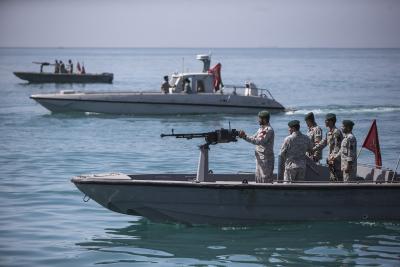
Calling Hormuz an international waterway, Rubio said the consequences of allowing any country to control such a maritime route would extend far beyond the Gulf.
“If we create a precedent in the Middle East, where a nation state can decide that they are going to control an international waterway, charge a toll, and if you don’t pay them, blow up your ships, we have created a very dangerous precedent, which will repeat itself in other parts of the world, including in this region,” he said, referring to Southeast Asia while addressing ASEAN foreign ministers.
Rubio said the dispute was about preserving the rules governing international navigation rather than a bilateral disagreement with Iran.
“So, what is at stake here is not simply the issue of what’s happening in the Straits of Hormuz; it’s a very fundamental principle about freedom of navigation. And if that is threatened, then I think the global economy is threatened and the rules which have underpinned 150 years of international trade and commerce are also threatened.”
He said the United States remained willing to negotiate with Iran but accused Tehran of failing to honour previous commitments despite initiating contacts with Washington.
“The United States is always committed to diplomacy. We are open-minded and always willing to engage in negotiated settlements of differences,” Rubio said.
He added that Iran had reached out to the United States “both directly and indirectly” but had failed to fulfil commitments made during previous engagements.
“Unfortunately, so far, even though we have reached agreements, they have not kept their commitments.”
Quoting President Donald Trump’s position, Rubio said Washington remained prepared for negotiations if Tehran demonstrated genuine intent.
“If they’re serious, we’re serious. If they’re not, then we will do what is necessary to protect that, our interest and also the interests of our allies.”
Rubio argued that failing to respond would allow a single state to hold a significant share of the world’s energy supplies hostage.
“If these consequences did not exist, then today we would be living in a world where a significant percentage of the energy supply of this region and 20 percent of the energy supply of the world is being held hostage by a nation state, by a rogue regime who intends to appropriate that in the right of tolling and controlling that shipping to itself, a right they do not have under any definition of international laws, particularly those that govern maritime transit.”
–IANS
lkj/dan