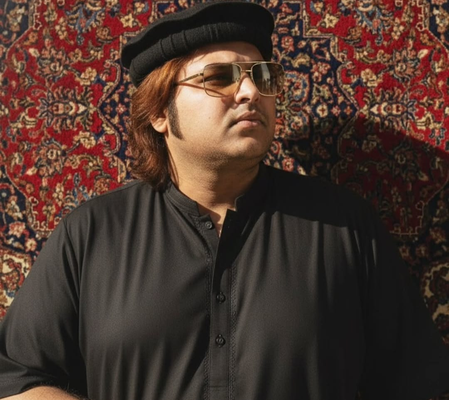
Mumbai, April 25 (IANS) Singer Mujtaba Aziz Naza revealed if he ever had creative disagreements with filmmaker Sanjay Leela Bhansali while working with him on “Bajirao Mastani” and “Padmaavat”.
Speaking exclusively to IANS, Mujtaba shared that he had no creative disagreement with the filmmaker. He added that they often enjoyed moments of spontaneous creativity.
He was asked, “Sanjay Leela Bhansali is known to be a perfectionist. Did you ever have creative disagreements with him regarding music?”
Talking about his experience of working with the ‘Heeramandi’ maker, the singer said, “No, there were no disagreements. It’s true that he is a perfectionist and gives a lot of time to his work. He wants everything to be just right, regardless of the cost or effort involved.”
“I remember when we worked together earlier and then again later; the experience was incredible. There were moments of spontaneous creativity where compositions came together very quickly, and he appreciated that. His vision often pushes you to deliver your best”, he went on to add.
When asked if he believes artists should be given complete creative freedom, Mujtaba said, “Absolutely”.
“Every artist has a unique style. You cannot ask one singer to replicate another’s style. That individuality is what defines them. Trusting artists and giving them freedom is essential for authentic music”, he went on to explain.
Shifting the focus to “Aayat” from “Bajirao Mastani”, he opened up about the widespread recognition brought by the track and whether it shaped his artistic direction.
Mujtaba said that “Aayat” turned out to be a significant opportunity in his life.
He added, “Working with someone like Sanjay Leela Bhansali was a learning experience in itself. Being part of such a grand project made a huge difference to my career. The kind of music we created had a very distinct feel, something audiences weren’t used to hearing at that time. Even though I wasn’t the lead artist, being associated with that composition was a big achievement. It gave recognition to the Qawwali and Sufi elements within the song, which meant a lot to me”.
–IANS
pm/