New Delhi, May 17 (IANS) Growing cultural engagement between Russia, India, and African nations is emerging as a key pillar of contemporary diplomacy, with experts and policymakers underlining the importance of people-to-people exchanges, academic cooperation and shared civilisational values in reshaping global partnerships amid shifting geopolitical realities, according to an article.
Cultural diplomacy is increasingly becoming an effective instrument for strengthening trilateral cooperation among the three regions, the article by Kester Kenn Klomegah in Modern Diplomacy said.
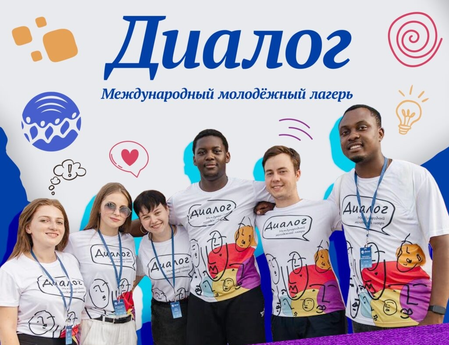
The article noted that a cultural dialogue programme held on May 12 at a Moscow-based coworking space brought together diplomats, academics, students and representatives of African communities to discuss deeper collaboration in education, culture and humanitarian initiatives. The event highlighted how soft-power engagement is now complementing traditional economic and strategic partnerships between Russia, India, and Africa.
The discussions focused on preserving cultural heritage, expanding educational exchanges, and encouraging youth participation in international dialogue. Participants reportedly stressed that culture and education can help build long-term trust at a time when the global order is undergoing rapid transformation.
The article argued that India’s historical links with Africa and Russia’s expanding outreach across the African continent provide a natural basis for broader cultural cooperation. India’s engagement with Africa has long been rooted in shared anti-colonial experiences, trade networks and educational partnerships, while Russia has increasingly sought to strengthen ties through academic programmes, media outreach and cultural initiatives.
The growing emphasis on cultural diplomacy also comes amid wider geopolitical changes involving BRICS and the Global South. India and Russia have continued to deepen strategic engagement through multilateral platforms, while African nations are seeking more diversified partnerships beyond traditional Western alliances. Recent BRICS meetings and diplomatic outreach efforts have highlighted the importance of multipolar cooperation and stronger South-South engagement.
The Modern Diplomacy article further highlighted the role of educational institutions, language programmes, literary exchanges, and youth forums in building sustainable cooperation. Analysts believe such initiatives could strengthen mutual understanding and create new opportunities in sectors including technology, innovation, tourism, and the creative economy.
Experts cited in the broader debate on Global South diplomacy have increasingly pointed to “multi-alignment” strategies adopted by countries such as India, where partnerships are being developed simultaneously across different geopolitical blocs. This approach has also opened new space for collaboration with African nations in areas ranging from development and trade to cultural exchange.
The article by Klomegah also underlined that humanitarian and cultural connections often outlast political fluctuations and can provide stability during periods of international uncertainty. Observers believe such initiatives could help establish a more inclusive framework for global cooperation driven not only by economics and security, but also by shared human values and intercultural dialogue.
The renewed focus on Russia-India-Africa cultural engagement reflects a broader attempt by emerging powers and developing nations to redefine international cooperation through educational, artistic and civilisational partnerships, while promoting a stronger voice for the Global South in global affairs.
–IANS
sn/vd